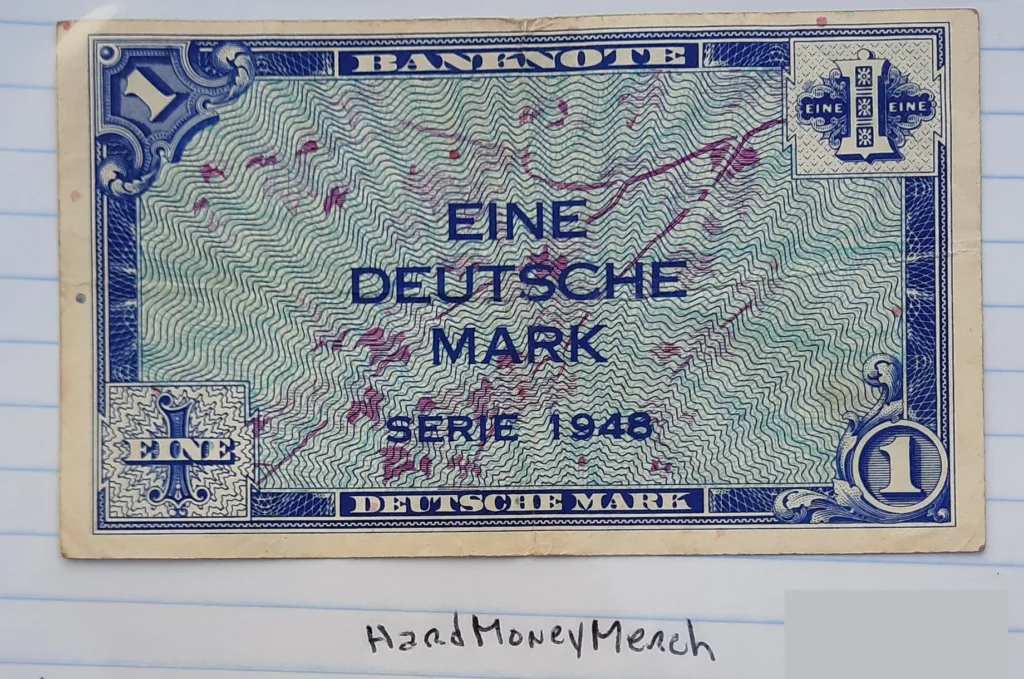
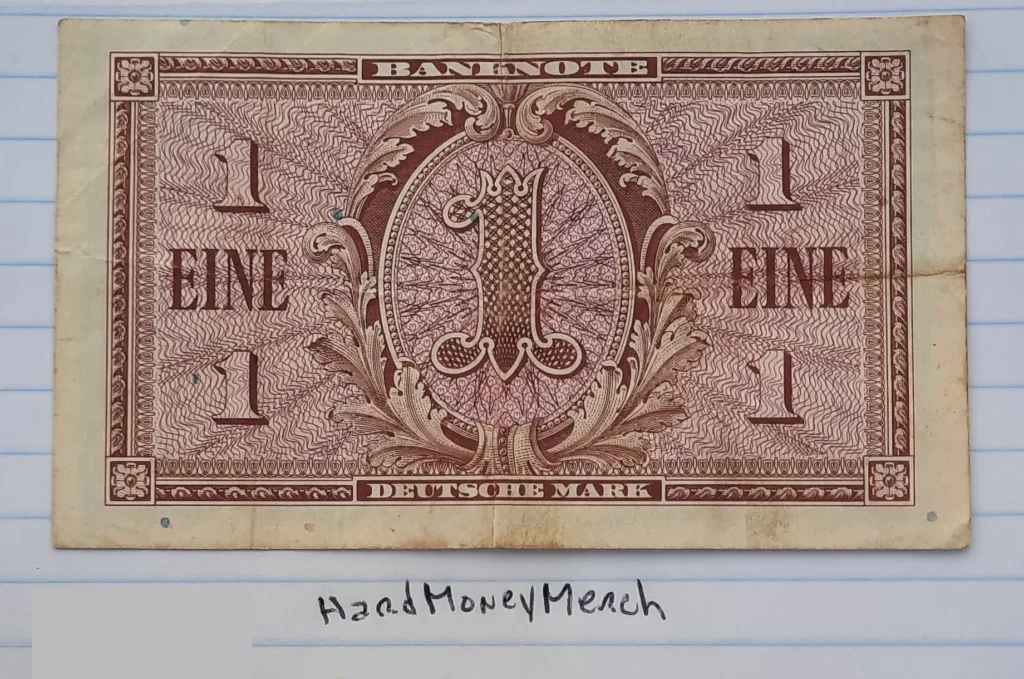
If you examine an original 1948 German 1 Mark banknote, you will notice something unusual right away: no central bank is named, no country is printed on the face, and there is no printer’s mark anywhere on the bill.
When these notes were printed, the Federal Republic of Germany (West Germany) did not even exist yet. Instead, one of the most famous fiat currencies of the 20th century was secretly manufactured thousands of miles away by a foreign military power—and rolled out to the public over a single weekend.
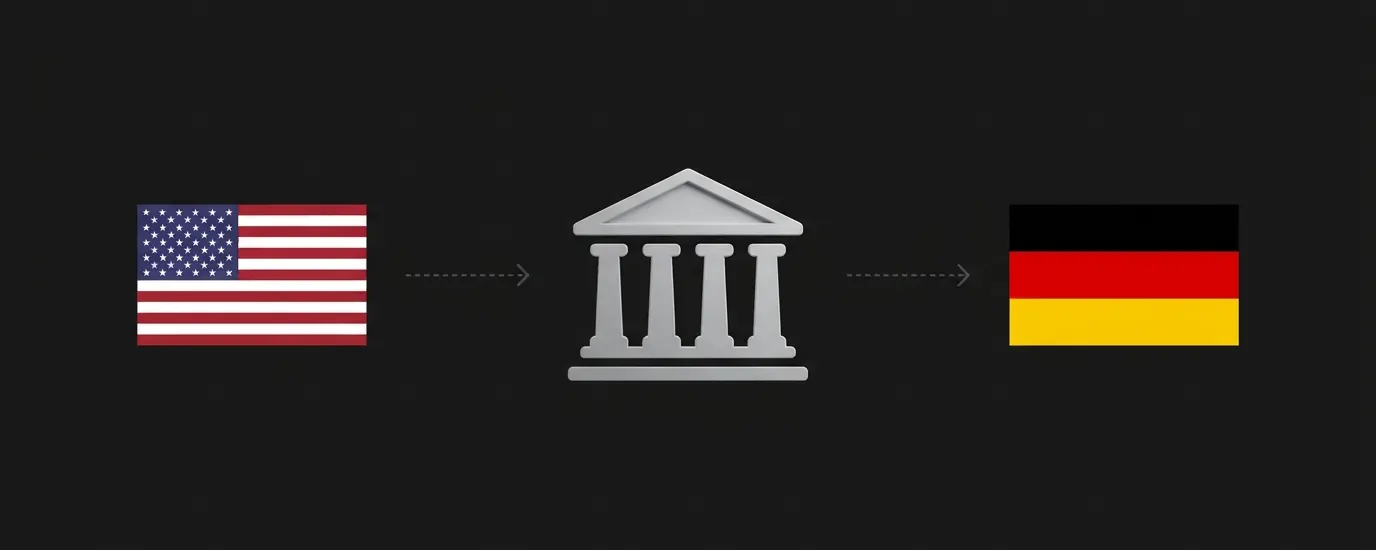
Printed in the USA Under Classified Mission “Operation Bird Dog”
In late 1947, while post-war Germany remained divided under Allied military occupation, the United States quietly contracted American security printers—including the Bureau of Engraving and Printing and the American Bank Note Company—to produce billions of units of a brand-new currency.
To prevent panic, black-market hoarding, or Soviet interference, the entire project was kept strictly classified under the codename Operation Bird Dog:
- No Sovereign Attribution: Because no sovereign West German government or central bank existed yet, the notes carried no issuing bank name—simply the denomination (1 Deutsche Mark) and the date (1948).
- 23,000 Wooden Crates: In the spring of 1948, roughly 23,000 wooden crates packed with freshly printed banknotes were shipped across the Atlantic Ocean to Bremerhaven, Germany and trucked under armed military guard to Frankfurt. Even many of the U.S. soldiers loading the boxes had no idea they were hauling Germany’s future money supply.
The Weekend Currency Reset of June 1948
On Friday night, June 18, 1948, Western Allied military authorities made a sudden radio announcement: starting Sunday, June 20, the old Reichsmark was officially dead.
Over that weekend, millions of citizens lined up at local ration offices and schools across the three Western occupation zones:
- 40 Marks Per Person: Each resident was allowed to exchange old currency for an initial allotment of 40 new Deutsche Marks (followed later by another 20).
- A 90%+ Wipeout of Savings: Existing bank deposits and cash savings were converted at roughly 10-to-1—and later reduced even further—wiping out more than 90% of people’s paper life savings practically overnight.
While the reform cleared away Nazi-era monetary overhang and helped spark West Germany’s post-war economic recovery, it came at the direct expense of anyone holding paper savings.
Even Europe’s “Strongest” Fiat Currency Was Retired
For the next five decades, the Deutsche Mark earned a reputation as Europe’s most disciplined and reliable paper currency. Yet in 2002, even the mighty Deutsche Mark was retired and replaced by the Euro.
That is the reality of fiat money. Even one of the strongest, most respected paper currencies in modern history:
- Was conceived behind closed doors.
- Was initially printed in secret by a foreign power.
- Began with an overnight reset that erased over 90% of existing savings.
- Was eventually retired within a single lifetime.
Why Bitcoin Changes the Rules
With Bitcoin, nobody prints money and packs it into secret crates behind closed doors, and no committee can announce on a Friday night that your savings will be reset by 90% on Sunday morning.
Bitcoin’s monetary policy is transparent, verifiable by anyone running a node, and permanently capped at 21 million coins (21E6)—giving savers a borderless asset that cannot be debased or replaced by decree.
Want to see how a modern fiat currency holds up over a decade? Read our 10-Year US Dollar vs. Bitcoin Grocery Bill Test.
Represent the hard money standard every day with our 21E6 Collection or be loud about sound money with Bold Bitcoin & Hard Money Apparel.